Imagine waking up with a strange cough in a foreign country. You don’t speak the language, you don’t know where the nearest clinic is, and you’re unsure how serious your symptoms might be. A few years ago, this would have meant confusion, stress, and possibly a long wait at a local hospital. Today, thanks to international telehealth services, things are different.
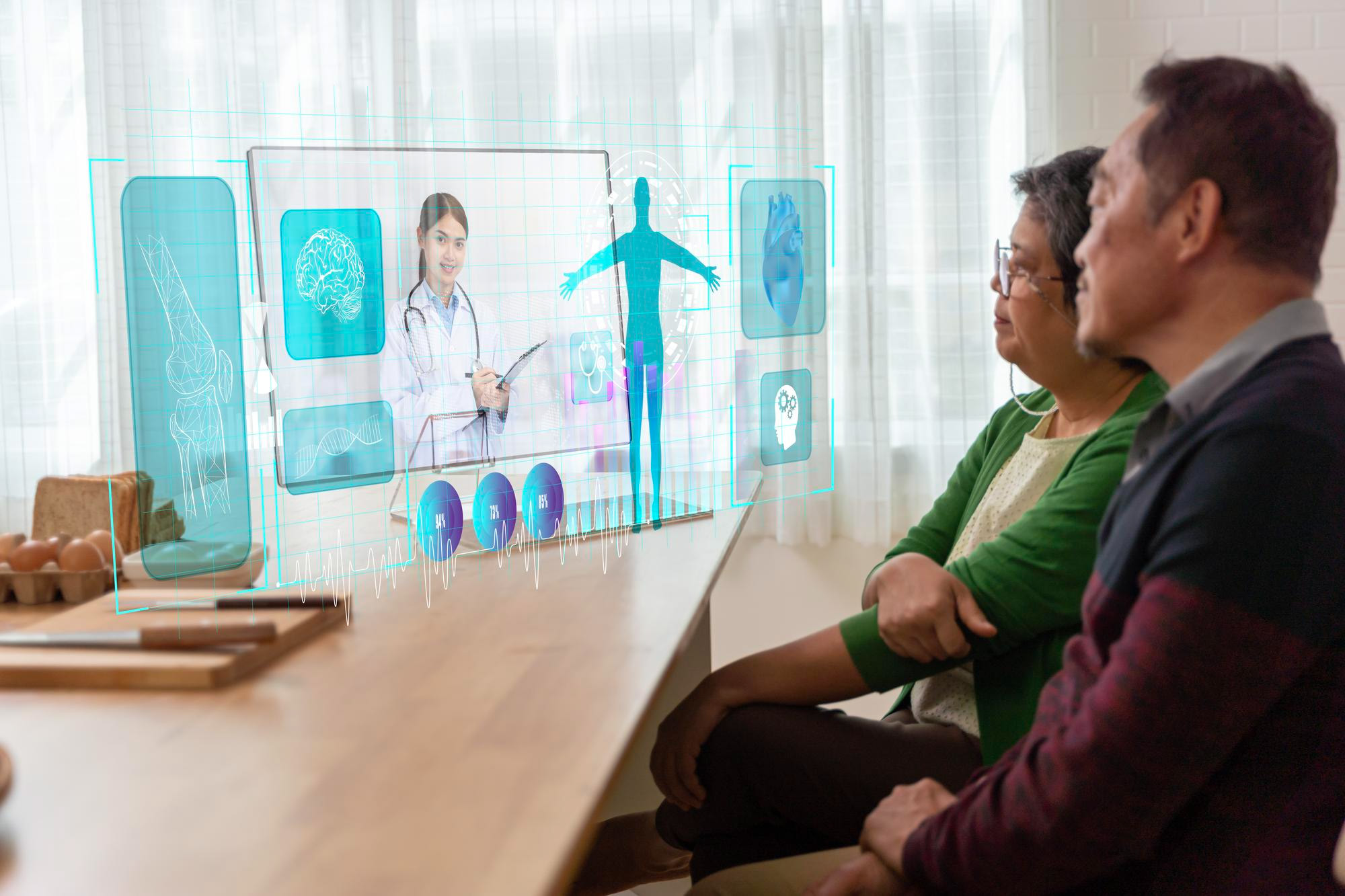
Now, with just a few taps on your smartphone, you can connect with a healthcare professional who speaks your language. They can assess your symptoms, provide medical advice, and even prescribe medication if necessary. This not only saves you time and stress but also ensures you receive the care you need promptly. Whether you’re traveling for business or pleasure, international telehealth services offer peace of mind, knowing that quality healthcare is always within reach, no matter where you are in the world.
One of the biggest benefits of international telehealth is simple: access. Millions of people live in areas where doctors are hard to find. Some live in rural places with few clinics. Others are in countries where health services are stretched thin. In these cases, being able to talk to a doctor in another part of the world is life-changing.
Let’s say you’re in a small town in Africa and need a specialist. Normally, that would mean travel, money, and time you might not have. But now, you can log into a global telehealth platform, book an appointment, and speak to an expert in Europe or India or the U.S. within hours.
This kind of access isn’t just helpful, it can save lives. Early diagnosis, second opinions, and follow-up care can now happen faster and more often.
It’s not just people in rural areas who benefit. International telehealth services are also great for travelers, digital nomads, and expats. If you’re working remotely in another country and come down with something, you may not know how to use the local health system. But with global virtual healthcare, you can connect with a provider from your home country who understands your medical history and speaks your language.
Some platforms even let you upload past health records so the doctor can quickly understand your case. That kind of familiarity can be a big comfort when you’re far from home.
In-person healthcare can be costly and slow. From taking time off work to waiting in crowded clinics, it’s not always the best use of your time. With virtual healthcare, you skip the travel, the wait, and often the high price tag.
Some global platforms offer subscriptions or flat rates, which can be more affordable than paying per visit. And since you can access care from anywhere, you don’t need to miss work or spend hours traveling. That’s especially important for people with chronic conditions who need regular check-ins.
Of course, there are still some hurdles. Different countries have different rules about medicine and data privacy. Not all conditions can be treated virtually. And internet access is still limited in many parts of the world.
But every year, technology gets better, and more governments are creating policies that allow for cross-country care. The goal is to make it safe, easy, and legal to get help no matter where you are.
Healthcare has often been limited by borders. But as the world becomes more connected, that’s changing. International telehealth services and global virtual healthcare are opening doors for people everywhere.
You no longer need to live in a big city or a rich country to speak to a skilled doctor. You just need a device and a connection. That’s the power of telehealth. It removes the limits of geography and brings care to the people who need it most.
As we move forward, expect to see more platforms, more services, and better tools. The future of healthcare isn’t just local, it’s global, and it’s already changing lives today.