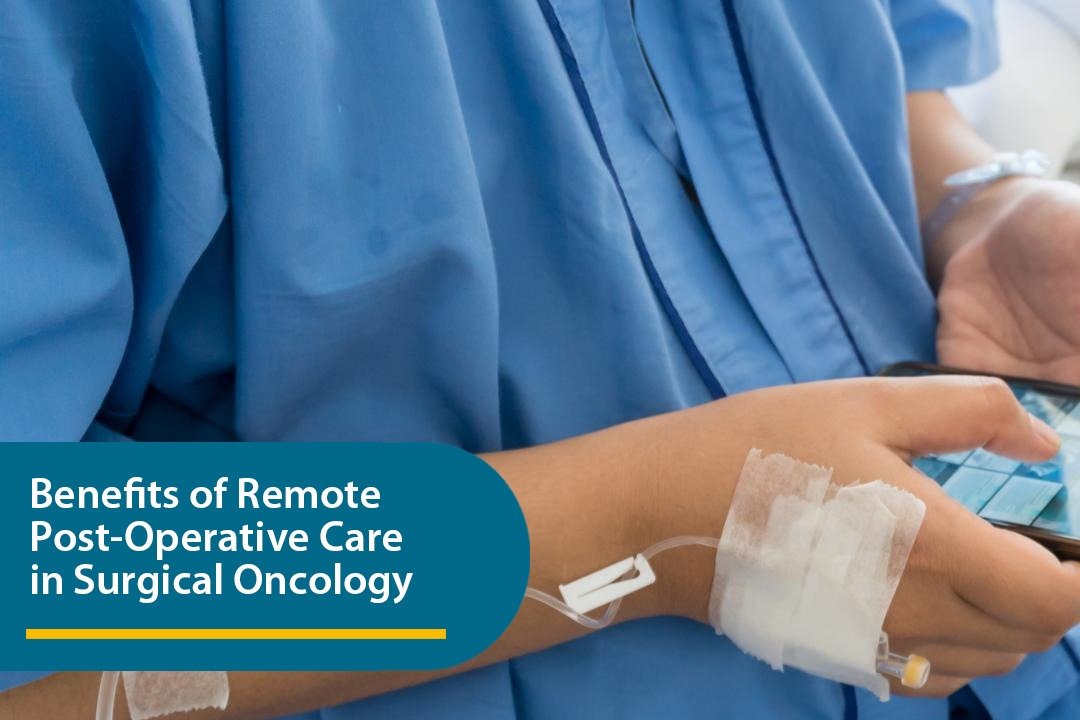
Surgery is not the only thing needed to overcome cancer. The recovery period that follows, when the body begins to heal, is just as crucial as the surgery itself. The way healing is managed can significantly affect the speed and quality of recovery. In recent times, telehealth has had a major impact on post-surgical cancer care. It offers a more effective and patient-friendly way to stay on track with recovery, requiring fewer visits to the hospital
Whether you have undergone breast surgery, lung surgery, or any other procedure related to cancer, virtual follow-up care provides the opportunity to receive quicker advice, improve health monitoring, and enjoy the comfort of healing at home all without compromising professional support.
The notion of remote post-operative care is that you are still under the care of your doctor, but you are not physically at the hospital all the time as you manage to recover. Due to telehealth, the patients will be able to communicate with their healthcare team through video calls, messages, and health applications that monitor their vitals or symptom conditions.
It doesn’t replace in-person care completely. But it makes a huge difference in bridging the gap between discharge and full recovery.
Cancer surgeries can be complex. Recovery often takes weeks or even months. This stage may be full of doubts, pain, and anxiety to the patients. In remote follow-up after cancer surgery, physicians and nurses can monitor how you progress without necessarily paying regular visits to them at those times that your body is not fully healed
.
Many cancer patients are older or have weakened immune systems. Reducing unnecessary exposure especially in crowded hospitals is safer and more comforting.
It’s natural to feel nervous if something doesn’t seem right after surgery. Telehealth offers quick meetings with your care team. Time-sensitive health issues arise quickly, and an unexpected fever, pain, or question about prescriptions can be answered by a timely virtual visit.
Getting to a hospital post-surgery isn’t easy—physically or emotionally. With virtual recovery support, patients avoid long travel times and waiting rooms. It’s especially helpful for those living far from the hospital or with limited mobility.
You save time, money, and energy while still receiving quality care.
On certain remote systems, patients can also share updates on health indicators such as temperature, oxygen levels, or wound healing progress. This type of remote follow-up after cancer surgery helps doctors detect early warning signs and take timely action before complications develop.
The recovery process is not standardized. With regular virtual checkups, your care team can adjust your treatment plan, change medications, or schedule in-person visits only when necessary. This approach provides you with almost personalized care while avoiding unnecessary appointments that could burden your body.
Much of the anxiety can be eased just by knowing that help is only a message or video call away when needed. Telehealth offers that reassurance while reducing the physical burden of managing every aspect of care for families supporting a loved one after surgery.
Like any system, remote care has its limits. Not all patients are comfortable with technology, and some post-surgical issues still require in-person evaluation. But when used the right way—with clear communication and a structured plan—remote care improves outcomes and patient satisfaction.
The future of virtual recovery support is bright, especially as more hospitals invest in training, digital tools, and better systems for long-term follow-up.
Remote post-operative care is changing how cancer patients heal after surgery. It respects the fact that recovery doesn’t only happen in hospitals—it happens at home, with the right guidance. Through post-operative cancer care telehealth, patients get to heal smarter, safer, and more comfortably.
For anyone facing surgery or helping a loved one through recovery, this approach isn’t just a trend—it’s a lifeline.