Telehealth is establishing itself as a cornerstone of modern chronic disease management, enabling healthcare providers to extend reach, boost patient engagement, and improve outcomes far beyond the constraints of traditional in-person care. With the rapid uptake of telemedicine platforms and connected health technologies, patients with chronic illnesses such as diabetes, hypertension, heart failure, and COPD have never been better supported through their health journey.
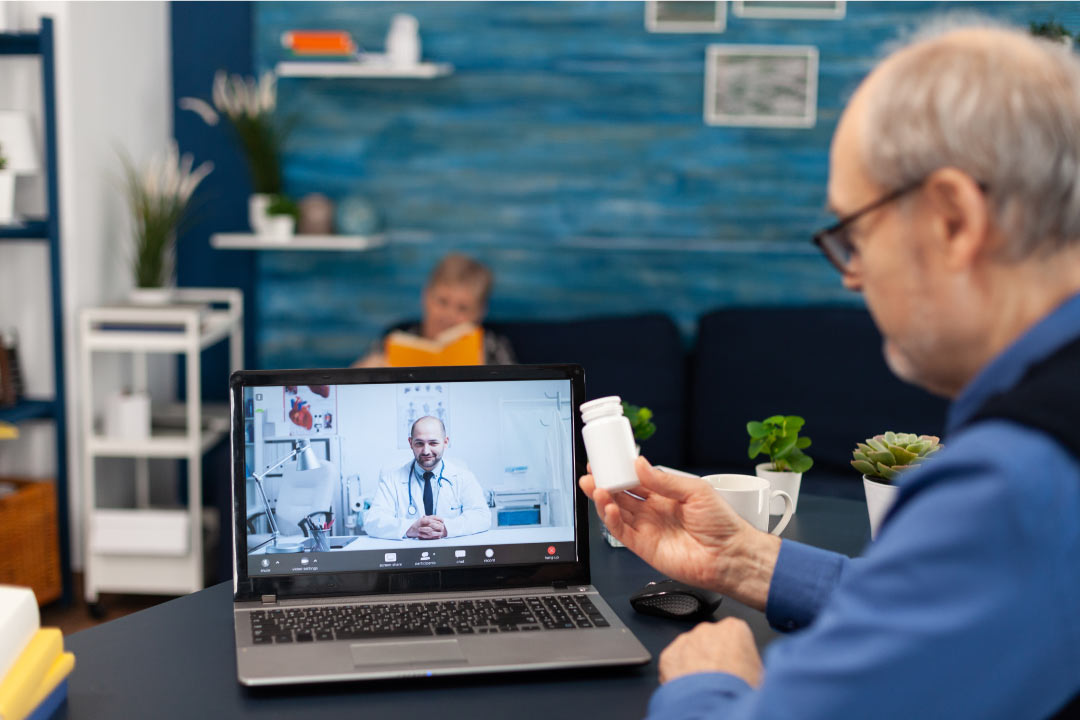
Comprehensive telehealth solutions bring clinical expertise directly into patients’ homes, supporting proactive disease management through scheduled video consultations, secure messaging, and continuous education modules. Providers leverage these encounters to adjust therapy, reinforce healthy behaviors, and quickly address emerging issues, resulting in higher adherence to care plans and earlier intervention for deteriorating symptoms. Evidence shows that 62.9% of patients report satisfaction with telehealth services, and an impressive 84.9% would opt for telehealth again, reflecting strong acceptance of this digital approach within the chronic care population.
A key driver of positive outcomes in chronic disease care is Remote Patient Monitoring (RPM). Integrated with digital health records, RPM utilizes devices such as glucose meters, blood pressure cuffs, and pulse oximeters to transmit clinical data directly to providers in real time. This makes it possible to rapidly identify abnormal readings, optimize medication therapy, and address early warning signs before complications arise. For example, RPM interventions in heart failure have contributed to as much as a 40% reduction in hospital readmissions underscoring the clinical and economic potential of continuous remote oversight.
Patient engagement benefits as well. Many studies have shown telemonitoring not only enhances clinical interaction but empowers individuals in self-care, increasing their sense of autonomy and often improving disease control metrics such as HbA1c in uncontrolled diabetes or systolic blood pressure in hypertensive patients. Empowered patients are more likely to adhere to medication and lifestyle prescriptions, reducing the risk of flare-ups and acute hospital episodes.
Telemedicine and RPM yield substantial reductions in hospital admissions, readmissions, and emergency room utilization for chronically ill populations. Systematic reviews and meta-analyses confirm that well-structured telemedicine programs decrease the economic burden on health systems, especially in rural and resource-limited areas where specialist access is often restricted. By providing timely, responsive care, telehealth shrinks the window between symptom emergence and clinical action, a powerful factor in preventing costly and preventable hospitalizations.
Notably, frequent telehealth follow-ups reduce manual errors in data entry, streamline coordination between multidisciplinary teams, and offer cost and time savings for both patients and providers. With 73.3% of surveyed patients recommending telehealth, the model enjoys strong momentum among stakeholders who prioritize patient-centric, efficient care delivery.
Telehealth’s ability to transcend geographical and socioeconomic barriers enhances access for vulnerable populations. Scheduled virtual rounds, remote monitoring, and tailored educational content reach populations previously marginalized by traditional care models such as elderly, housebound, and rural patients. High user satisfaction rates, with 90% of patients reporting increased knowledge and comfort with their disease after telehealth interventions, attest to its role in strengthening disease self-management and health literacy.
As health systems continue to invest in telehealth infrastructure and patient digital literacy, expect even more robust clinical integration and outcome gains for chronic disease management. Real-world studies confirm that telemedicine is as effective, and often more convenient, than face-to-face care without increasing the risk of hospitalizations or compromising long-term health outcomes.
Telehealth now represents a best practice for chronic disease management, blending virtual care, continuous data access, and human-centered engagement to reduce hospital visits, empower patients, and create more sustainable healthcare delivery for the future.