Healthcare is changing. More people are getting treatment at home instead of going to the hospital. This shift is not just a response to recent challenges, it’s a sign of where healthcare is heading. At the heart of this change is something simple: telehealth.
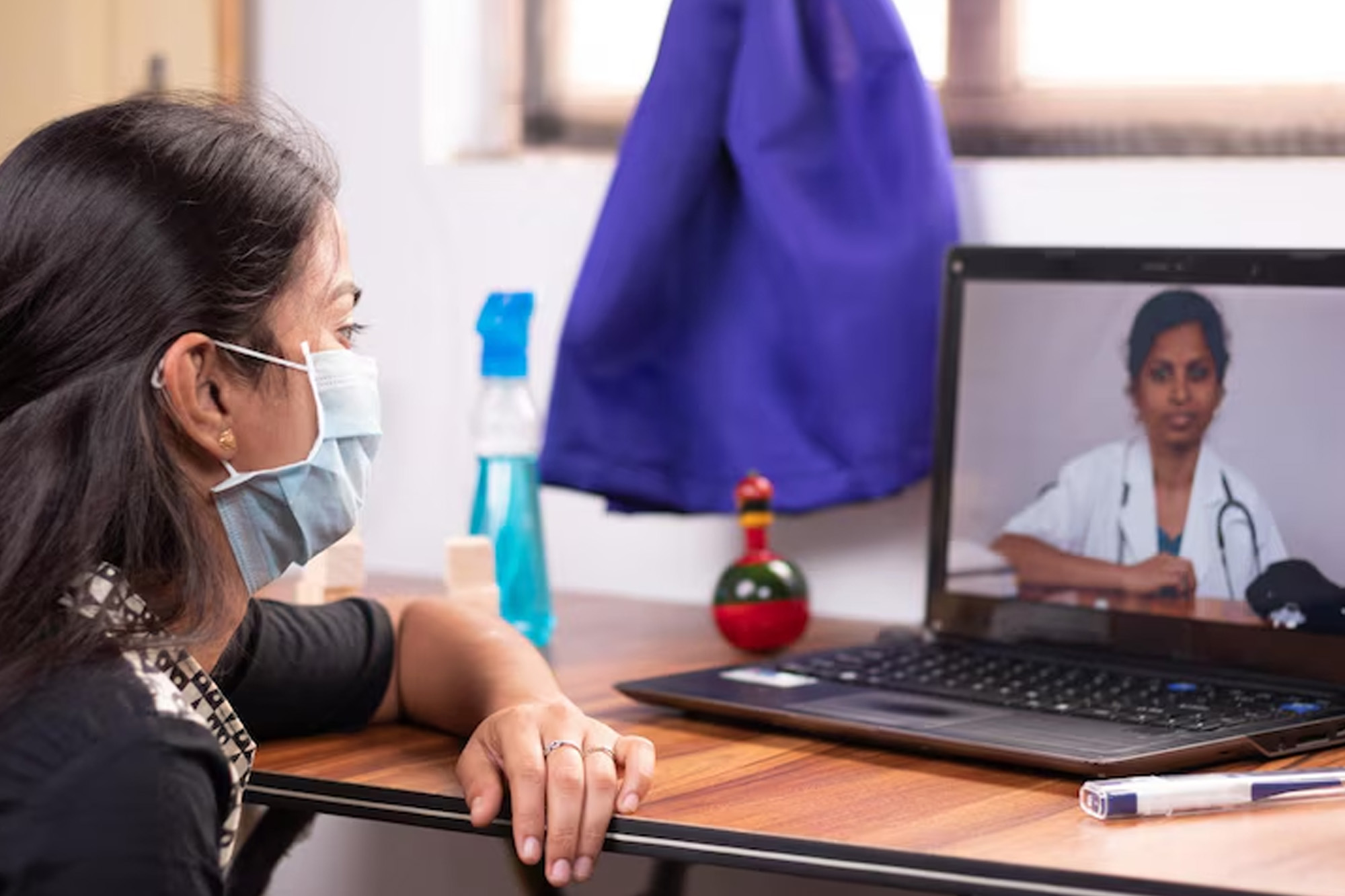
Telehealth is what you would term the use of ‘ everyday technology ‘, such as a phone, computer or tablet, to talk to doctors or nurses. It allows patients to stay at home and still receive the treatment they need, very significant since the rise of the ‘ hospital – at – home ‘ model.
The hospital-at-home model brings hospital-level care to the comfort of a patient’s home. Instead of staying in a hospital bed, patients are treated at home with the help of visiting nurses and remote monitoring. Telehealth makes it possible for doctors to check in often and make sure everything is going smoothly.
This model isn’t just about avoiding hospital stays. It’s about offering safe, reliable care in a way that makes people feel more comfortable and relaxed. For many, healing at home leads to better outcomes.
Hospitals can be stressful. They are loud, unfamiliar, and full of activity. At home, people rest better, eat better, and often feel less anxious. Being in a familiar place can help speed up recovery.
There’s also the matter of safety. Hospitals carry the risk of infections or other complications. By staying at home, patients reduce those risks. At the same time, telehealth ensures they are never alone, help is just a call or video away.
Telehealth makes the hospital-at-home model work. A nurse might visit in the morning to check a patient’s vitals, then send the results to a doctor through a tablet or phone. If anything seems off, the care plan can be adjusted right away. Doctors can hold video check-ins with patients without needing to travel.
Technology also helps in small but important ways, sending reminders to take medicine, tracking daily health updates, or alerting medical staff if there’s a problem. These tools don’t need to be complex. They just need to work.
Patients aren’t the only ones who benefit. Families feel more involved and reassured when their loved one is being treated at home. They can be there to support, ask questions, and help with care.
Hospitals also benefit. Beds and resources can be saved for the most critical patients. That helps ease pressure on busy healthcare systems and allows more people to get care in a timely way.
Hospital care is expensive. Equipment, staff, and hospital rooms cost a lot of money. When patients are treated at home, many of those costs go down. That can mean lower bills for patients and savings for healthcare providers and insurance companies.
At the same time, results are often just as good, sometimes better when care happens at home. People recover in a peaceful space, with support from both family and health professionals.
Not every illness can be treated at home. Some patients need the full support of a hospital. But for many common conditions like infections, heart problems, or surgery recovery home care is a safe option.
There are still hurdles. Some homes may not be ready for this kind of care. Not everyone has a strong internet or feels comfortable using devices. But as tools improve and services grow, these challenges are becoming easier to manage.
Hospital-at-home care shows us that treatment doesn’t always need to happen in a hospital building. With the right support and simple tools, quality care can come to your doorstep.
This isn’t just a trend, it’s a real change. Telehealth is helping more people heal where they feel safest: at home.