India has a complicated relationship with healthcare. On one hand, India has hospitals that are as good as any in the world, with the latest technology and doctors who are among the best. On the other hand, India has villages where people have to travel for three hours to see a doctor, where mothers give birth without medical assistance, and where people die from illnesses that could have been treated if someone had seen them in time.
That difference the gap in healthcare access is significant and unjust. This is where telemedicine NGO India initiatives are stepping in, working to bridge this divide and improve access to care in underserved regions.
More than 65 percent of the people in India still live in rural areas. Most of the doctors, specialists, and hospitals are in cities. This imbalance has long been a major challenge. The difference in the last ten years is that technology is now being used to fix the problem.
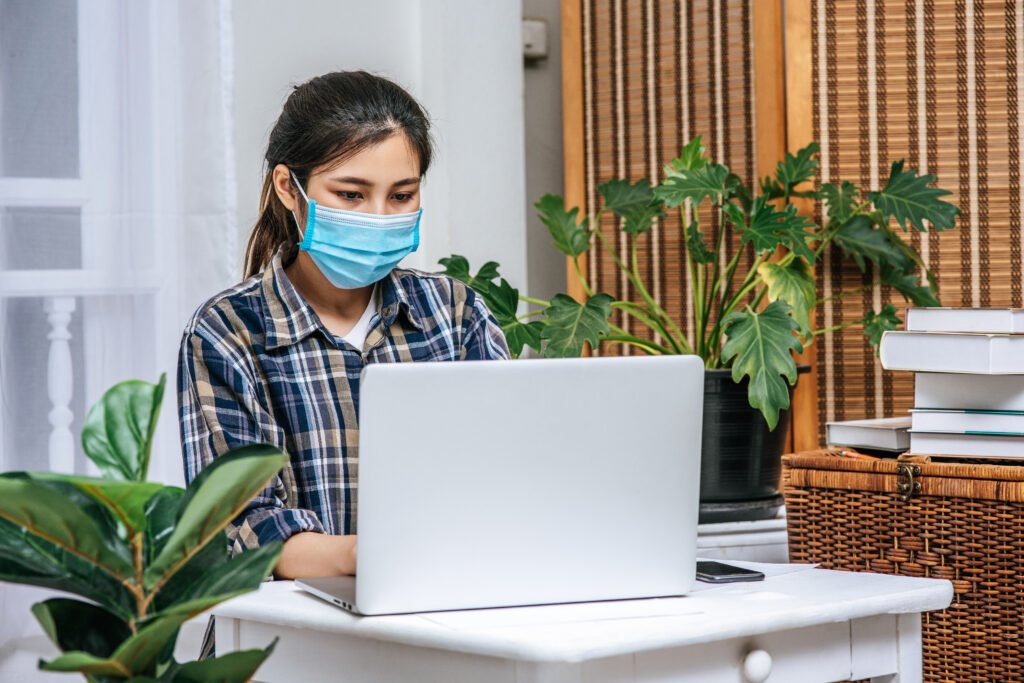
Telemedicine delivering healthcare remotely through video, phone, or computers—has become very important in places like the tribal areas of Odisha, the hills of Uttarakhand, and remote regions of Bihar and Assam.
The people behind this big change are non-governmental organizations that are not waiting for the system to fix itself. Telemedicine NGO India are making a measurable difference, helping remote communities access essential care.
When people think about NGOs, they usually think about things like awareness campaigns or helping people in need. Some telemedicine NGO India are doing highly complex and impactful work.
They are setting up centers in health clinics where people can talk to doctors from far away. They are teaching health workers, like ASHA workers and community health volunteers, how to use computers and phones to connect patients with doctors who are very far away. They are helping people with diabetes get the care they need after they leave the hospital. They are also helping teenagers get help with their mental health who have never talked to a counselor before.
The impact of these NGOs is tangible and measurable.
What’s unique about the Apollo Telemedicine Networking Foundation is that it not only creates technology but also a whole ecosystem. The foundation has expanded across multiple states in India, collaborating with public health hospitals, community health centers, and community-based organizations to develop a system where a patient in any remote district can access a consultation with a cardiologist or a dermatologist in their village itself.
The Foundation has especially been active in Andhra Pradesh and Telangana and in the Northeast, where difficult terrain often makes hospital access impossible. The foundation uses the hub-and-spoke model to bring specialized medical knowledge to remote areas that regular healthcare services often miss.
Apollo Telemedicine Networking Foundation has played a crucial role in implementing training programs focused on educating healthcare personnel about the ethical use of digital technology in medical consultations. This human element—training, trust-building, and community engagement—distinguishes sustainable telemedicine from short-lived projects.
telemedicine NGO India is far from simple.
Connectivity poses one of the greatest challenges for telemedicine NGO India. The majority of villages in India lack reliable internet or broadband connectivity. Many patients are elderly, unable to read or write, and struggle to communicate their ailments through a screen or directly to a physical physician. On the other hand, doctors must also adapt by learning to diagnose patients remotely.
However, telemedicine works in rural India despite the challenges. The real value lies in the problem telemedicine solves. Accessing a physician’s expertise through a video call, especially when no other options are available, can be life-changing.
In fact, many organizations help telemedicine services in India to grow and expand. Telemedicine organizations in India are working hard towards equity by providing tablets to community health centers and have developed applications that work offline and sync data once connectivity is restored. These solutions are not perfect, but they are well thought out and are driving meaningful change in telemedicine delivery.
India’s telemedicine sector got a formal boost in 2020 when the government released its Telemedicine Practice Guidelines — the first official framework allowing registered doctors to consult patients remotely. That was a significant moment. But policy and practice are two different things.
What telemedicine NGO India need now is sustained funding, better public-private partnerships, and genuine integration with the government’s Ayushman Bharat digital health mission. The infrastructure is being built. The communities are ready. What’s needed is political will and consistent investment.
Organizations like Apollo Telemedicine Networking Foundation have shown that this work is not just possible — it is scalable. The blueprint exists. The question is whether we choose to follow it broadly enough to matter.
At its heart, telemedicine is not really about technology. It is about the belief that where you are born should not determine whether you live or die.
Telemedicine NGO India is holding onto that belief in practical, daily ways. They are making appointments happen, diagnoses reach the right ears, and treatments find the right hands. They are doing it in difficult conditions, with limited budgets, and often without enough credit.
That work deserves to be seen. And it deserves your support — whether through donations, volunteering, policy advocacy, or simply telling more people that this is happening.
Because it is happening. And it is changing lives.