Non-communicable diseases (NCDs) are one of the leading causes of death globally. Among these are heart disease, diabetes, cancer, and lung diseases. Most are unaware they are dealing with these conditions until they are severe. Screening can detect an issue early, which can save lives. However, the uptake of screening remains low in many parts of the world. Screening services can be brought closer to people through community-based approaches, which can further improve early detection rates
The Need for Widespread Screening
Many are not screened for NCDs due to a lack of awareness, access, or resources. Hospitals and clinics may also be far away, too costly, or inaccessible. Others are scared or unaware and do not go for their medical check-up. As a result, when NCDs occur, they often go unidentified until they worsen. By then, it’s more difficult, expensive, and less effective to treat.
If screenings are made more available in local communities, more people can be diagnosed early. This allows for timely treatment and a better chance of managing the disease. Community-based programs can make screening services easier to access and more affordable.
Using Community Centers for Screenings
One effective way to increase screenings is to use community centers. These are places where people already gather for social activities, education, or other services. Setting up screening booths in these locations makes it easier for people to get tested. Schools, churches, markets, and workplaces can also serve as screening points. When screenings are available where people live and work, participation rates increase.
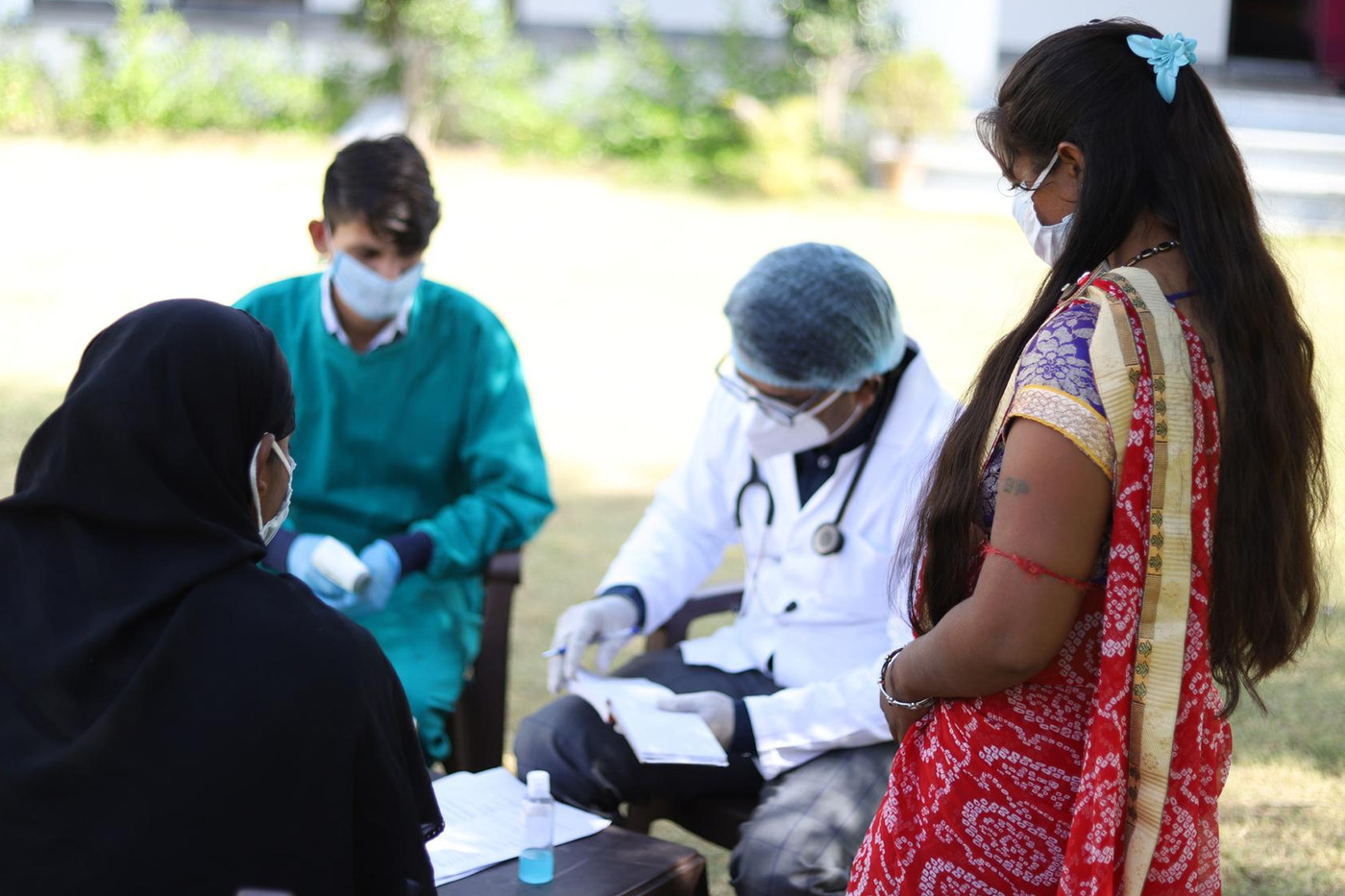
Health workers can conduct simple tests such as measuring blood pressure, checking blood sugar levels, and assessing body weight. These basic tests can help identify people at risk of developing NCDs. Those who show signs of potential illness can then be referred to doctors for further testing and care.
Training Community Health Workers
Local health workers play a key role in community screenings. Training them to conduct basic tests and educate people about NCDs can greatly improve early detection. These workers understand the local culture and language, making it easier for them to communicate health messages. They can explain the importance of screenings in a way that people understand and trust.
Community health workers can also follow up with individuals who need further tests or treatment. They can remind people of their screening schedules and encourage them to seek medical help if needed. Their presence ensures that screening programs run smoothly and effectively.
Mobile Screening Units
In remote or underserved areas, mobile screening units can bring services directly to the people. These are vehicles equipped with simple medical tools for basic tests. They travel to villages, small towns, and hard-to-reach areas where medical facilities are limited.
Mobile units can operate on a set schedule, visiting different locations regularly. This ensures that even people in distant areas have access to early detection services. In addition, mobile screenings reduce the burden on hospitals and clinics by identifying cases early and guiding patients to the right care.
Spreading Awareness in Communities
Raising awareness is essential for encouraging people to get screened. Many individuals do not understand the risks of NCDs or the benefits of early detection. Community programs can use posters, leaflets, and public talks to educate people. Social media and radio broadcasts can also be used to share health messages widely.
Trusted community members, such as teachers, religious leaders, and local officials, can help spread the word. When people hear about the importance of screenings from someone they trust, they are more likely to participate.
Partnering with Local Organizations
Community-based screening programs can be more effective when they partner with local organizations. Schools, businesses, religious institutions, and non-governmental groups can support these initiatives. They can provide space, volunteers, or funding to expand screening efforts. When many groups work together, more people benefit.
Scaling up NCD screenings through community-based approaches is a practical way to increase early detection. Using community centers, training local health workers, deploying mobile units, raising awareness, and forming partnerships can make screenings more accessible. When screenings are easy to access, more people participate, leading to early diagnosis and better health outcomes. By bringing health services closer to the people, communities can take a strong step toward reducing the burden of NCDs and saving lives.